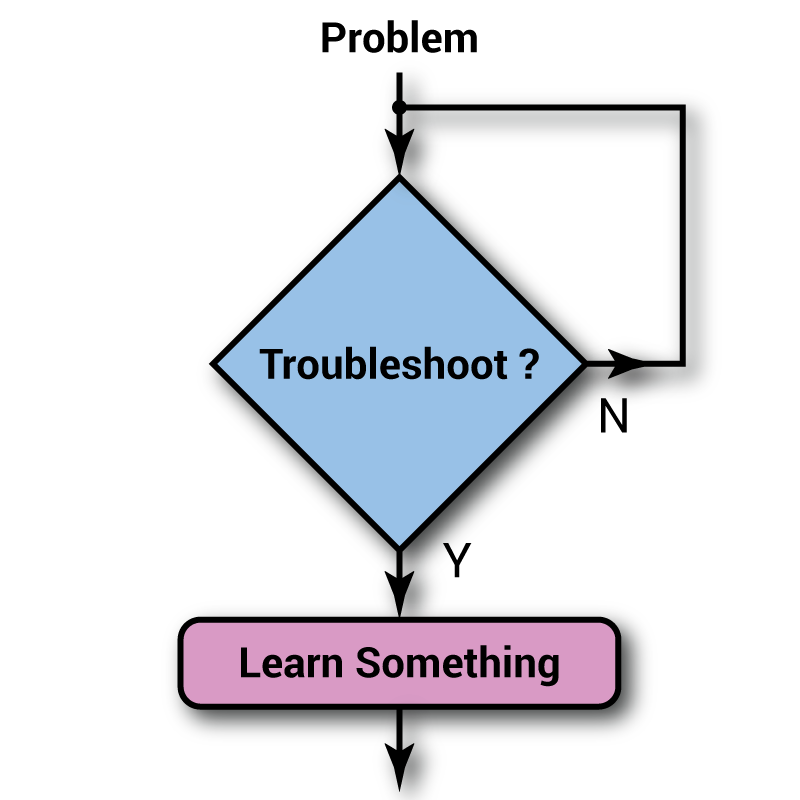
In the world of high-availability, it’s easy to feel an immense pressure to solve network issues as quickly as possible. However speed without strategy leads to compounded issues. Troubleshooting isn’t just about fixing what’s broken… It’s about understanding why it broke in the first place, and how to prevent it from happening again.
There are a few core ideas that I prefer adhering to when working out complex issues:
🔍 Gather Real Data
The first step in solving any problem is understanding the scope of the issue. This means collecting accurate, tangible data like logs, error messages, interface statistics, and user reports. It’s important to screen and correlate as much information as possible with the symptoms of the problem. Assumptions don’t solve problems, but facts do.
💡 Form a Hypothesis Based on Evidence
Once you’ve been able to gather data, you can build a hypothesis grounded in what’s actually observable and reproducible. Theories about root causes should be based on measurable behavior, not a gut feeling.
🔄 Test Changes Incrementally
When it’s time to make changes, remember to do so in small, deliberate steps. Test one variable at a time, monitor the outcome, and roll back if necessary. A calm and controlled approach can prevent new issues from being introduced, and from problems compounding on top of one-another.
🧭 Follow a Documented Process
Structure is the key to success, following a logical and well documented troubleshooting process allows you to rule out potential causes methodically, providing a clear trail of what’s been tried, and what’s failed. This is especially valuable when collaborating or escalating issues.
🧘 Stay Patient and Stay Calm
Acute system issues can create urgency, but rushing often does more harm than good. Remain patient to avoid introducing additional variables into an already sensitive environment.
🛠️ Use Workarounds Wisely
In some cases, a well-implemented workaround can help restore functionality and reduce impact while the root cause is still being investigated. However, it’s important to treat workarounds as TEMPORARY (yes, I am yelling lol). Workaround solutions should always be clearly documented, closely monitored, and followed up on by a determined and focused effort to resolve the underlying issue.
📚 Understand the Technology You’re Working With
Finally, take time to research and understand the intended behavior of the protocols or systems involved. You can’t effectively fix something you don’t fully understand, context truly is everything.
Whether you’re troubleshooting a routing issue or investigating intermittent application latency, applying a structured and thoughtful approach not only resolves problems more effectively, it also builds a more resilient and maintainable network.