

🚨 Backups Matter, Even at Home! 🧑‍💻💾

There’s a fine line between a homelab and a production environment, and I think I may have crossed it…
With so many essential services that my family and I use daily hosted
internally, including DNS, media, monitoring, firewalls, and networking,
you name it, having a reliable backup strategy isn’t just a best
practice at my house.

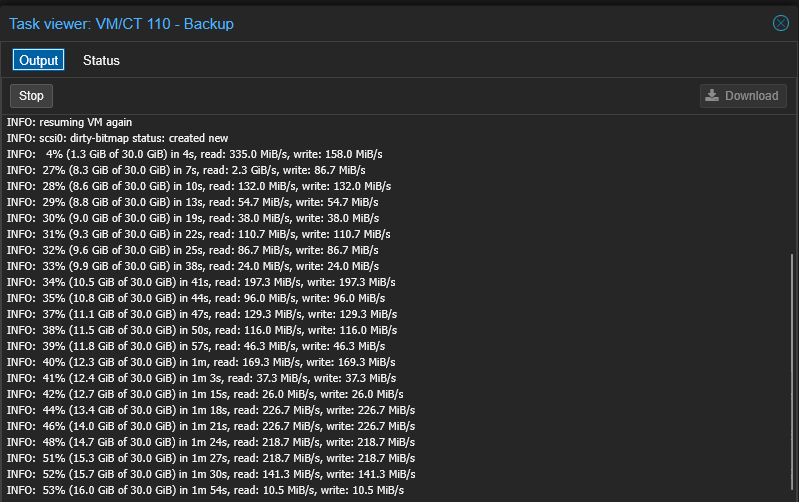
It’s become mission-critical. This week I finally got my Proxmox Backup Server up running, and am now successfully backing up all of my VM workloads. ✅

But it doesn’t stop at just having backups, the real value lies in testing them.

Here’s an effective method I’ve adopted to ensure that my backups will work when I need them most: ➡️ Clone a production VM
➡️ Make a snapshot of the machine
➡️ Make breaking changes to the clone
➡️ Attempt a full restore from backup
➡️ Finally, confirm everything comes back online as expected.
These dry-run validations ensure that snapshots and backups are actually
usable when I need them most, after all discovering they’re incomplete
after a failure is not the time to find out. 😬


Whether you’re running a data-center or hosting a homelab that your household
has come to rely on, do your best to build resilience and verify
recovery methods, before you need them.


Your future self will thank you.

Homelab Proxmox Backups ITInfrastructure SysAdmin DisasterRecovery

Are you being respectful in the workplace?


Just hear me out… respect in the workplace isn’t just about how we speak to one another. It’s also about how we work with one another.

As an IT professional, I’ve come to realize that one of the most overlooked forms of respect, is respect for the process.

Things like using the ticketing system instead of calling or messaging someone directly about an issue. Following established procedures rather than taking shortcuts. Looping in the IT team before making technical changes, especially when those changes can affect systems or impact security.

Too often, these steps are seen as bureaucratic hurdles instead of what they really are: safeguards. They’re in place to protect the business, ensure uptime, and keep things secure and compliant.

When people bypass the process, it might seem harmless, and even helpful, but the truth is that it can create confusion, increase risk, and frankly make it harder for IT teams to do their jobs effectively.

Respecting the work of IT means respecting the “why” behind the systems and procedures we’ve put in place.

So if you’re ever unsure whether to make that quick change yourself, or you’re tempted to “just ask a favor” instead of submitting a ticket, take a step back.

Ask yourself “Does what I’m doing reflect an attitude of trust and respect for my IT department?”

This basic form of professional courtesy can go a long way, and it makes everyone’s job easier.

hashtag#IT hashtag#WorkplaceRespect hashtag#ProcessMatters hashtag#Collaboration hashtag#EnterpriseIT